Monday, May 19, 2014

Potty training: What works

Reviewed by the BabyCenter Medical Advisory Board
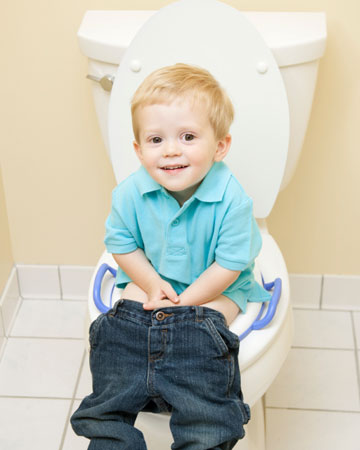
To make potty training as smooth a process as possible for you and your toddler, take a moment to learn what tends to work - and what doesn't. What works:

Waiting till your child is ready

There's no magic age for being ready to start learning to use the potty. Most toddlers develop the necessary physical and mental skills between 18 and 24 months, while some kids aren't there until closer to age 3 or even 4. Keep an eye out for physical, cognitive, and behavioral signs that your toddler might be ready to give it a try.
If your toddler is facing changes such as a new school, a new sibling, or travel, you may want to wait till the seas are calmer before taking the plunge.
Once you do start, if you've been trying for several weeks without success, that's a sign your toddler's not ready. Wait a few more weeks - or until you see signs that the time is right - and try again.

Making a plan

Before you even buy your toddler a potty seat, it's important to have a plan for the training process itself. Decide when and how you want to start, how to handle accidents, when to back off, and so on.
At the same time, prepare to be flexible. There's no way to know how your child will respond to potty training attempts or what techniques will work best. Keep in mind that as with most developmental milestones, success doesn't necessarily happen in a linear fashion - your toddler may make initial progress only to regress at one or more points along the way.

Discuss your plan with your child's pediatrician and daycare provider. They'll probably have plenty of experience and advice to share. Once you've decided on a strategy, be sure you and everyone else who takes care of your child sticks to it - barring unexpected setbacks and other potty training challenges, of course.

Taking it slow

Mastering the various steps of potty training can take a long time. Yes, some children will have it nailed in just a few days, but most need weeks or even months, especially when they're working on staying dry at night.
Don't push your toddler (or let others push him) to get through potty training faster than he's ready to. Let him take his time and get used to this new, multipart process. He'll move from one stage to the next at his own speed.

Of course, it's perfectly all right to try to motivate with gentle reminders and encouragement. If he balks, though, ease up.

Praising your child

Throughout potty training, your toddler will respond to positive reinforcement. Whenever he moves on to a new step or tries to use his potty (even when he doesn't quite succeed), tell him he's doing well and that you're proud of him. Compliment him now and then on his dry underpants or diaper.
But be careful not to go overboard: Too much praise might make him nervous and afraid to fail, which can lead to more accidents and setbacks.

Accepting that there will be accidents

It's likely your toddler will have numerous accidents before being completely potty-trained. Don't get angry or punish him. After all, it's only recently that his nervous system has matured enough for him to perceive the sensation of a full bladder or rectum and that his muscles have developed sufficiently to allow him to hold in his urine and stool - and that's if he's on the early end of the developmental spectrum.

He'll get the hang of the process in due time. When your toddler has an accident, calmly clean it up and suggest (sweetly) that next time he try using his potty instead.

Article retrieved from: http://www.babycenter.com/0_potty-training-what-works_4397.bc?page=1 & http://www.babycenter.com/0_potty-training-what-works_4397.bc?page=2
Image retrieved from: http://cdn.sheknows.com/articles/2012/04/sarah_parenting/potty-training.jpg

Unsung milestones

By Dan Tynan and Christina Wood 

We all know when kids should sit up, walk, talk, and get a driver's license. But what about some of those other important "firsts" that don't get as much press? Here are seven milestones that we think deserve more notice.

1 What: Sees in stereo
When: 2 to 4 months

Your baby used to see in two dimensions, but now he's seeing the world in three. His cerebral cortex has matured enough that he can merge the input from both eyes — no goofy 3-D glasses required.

2 What: First true laugh
When: 4 to 5 months

Babies start smiling at 2 to 3 months, but at around 4 to 5 months that smile may turn to laughter in response to surprising or incongruous events, thanks to her rapidly developing cerebral cortex. Finally, someone to laugh at your Three Stooges antics.

3 What: Knows her own name
When: 5 to 8 months

Though she won't be able to speak it for some time, by this age your baby knows her own name and will look up if you call it. Good luck getting her to continue doing this throughout her teenage years.

4 What: Plays with privates
When: 1 to 2 years

By this age, many children have discovered that it feels good to touch their privates. It's all sensation at this point. They won't be angry at you for barging into the room without knocking for a long time yet.

5 What: Pumps on a swing
When: 4 to 5 years

A child this age can finally figure out how to pump her legs on a swing. Now you can drink your coffee in peace — at least for two minutes.

6 What: Two-sided body control
When: 7 to 8 years

The two sides of the brain have now developed enough body control that your child can hold a piece of paper in one hand and write on it with the other, which makes passing notes in class much easier.

7 What: Shows modesty
When: 8 to 9 years

The desire for privacy usually hits around this age. Even a child who was a dedicated nudist until now might suddenly blush and grab a cover-up. No more embarrassing episodes when the neighbor drops by.

Article retrieved from: http://www.babycenter.com/0_the-babycenter-7-unsung-milestones_3654903.bc?scid=momstodd_20130903:2&pe=MlVBUEhFenwyMDEzMDkwMw..
Image retrieved from: http://funalso.com/images/smile-baby10.jpg

Throwing: Why toddlers throw things


Throwing things is a new and enjoyable skill for many children between 18 months and 3 years of age. It takes fine-motor skills to open the fingers and let go of an object, and considerable hand-eye coordination to actually throw it. No wonder your toddler wants to practice this exciting skill!
What happens next is educational, too: Your toddler discovers that whatever she throws falls down — never up. She can't say "gravity," but she can certainly observe its effects. If she throws a ball, it bounces. If she tosses a plum, it goes splat.

Of course, for you it's maddening when spaghetti winds up all over your just-mopped kitchen floor or a clean pacifier lands on a dirty sidewalk, but to your toddler, it's all great fun.

What you can do about it

"Unless your toddler's throwing a rock through a window or really threatening to hurt someone, don't give her a time-out or punish her," says Roni Leiderman, associate dean of the Family Center at Nova Southeastern University in Fort Lauderdale, Florida. It's futile to try to stop your child from throwing at this age. Concentrate instead on limiting what she throws and where she throws it with these tips.

Show her what she can throw. Your toddler will learn what not to throw more quickly if there are lots of things that she is allowed—and even encouraged—to throw. Balls are an obvious choice (stocking up on foam balls will minimize accidents indoors). But actual throwing games (like tossing beanbags in a basket or skipping stones on a pond) are even more fun for a 2-year-old, especially if you play with her.

The message you want to convey is that throwing things is fine as long as she throws the right things in the right place at the right time. "When she throws something inappropriate, like a shoe, calmly take it away from her and say, 'Shoes aren't for throwing, but balls are.' Then give her a ball to play with," says Leiderman.

Discourage her aggressive throwing. What should you do when your toddler does throw something she shouldn't—sand from the sandbox, for instance, or blocks at another child? As much as possible, try to ignore it the first few times it happens. If she knows she can get your attention by throwing something she shouldn't at someone, she's likely to do it again.

If your child often comes close to hurting other children by throwing things at them, it's important that you always react the same way, since toddlers learn through repetition. The next time she does it, say, "No, that hurts," and pull her aside for a quick time-out to call attention to the "no" and to remove her from the situation so she can start fresh in a moment.

The key is to keep the time-out under a minute (a good rule of thumb is 60 seconds for every year of age) so your child doesn't forget why she was made to stop what she was doing.
If you notice that she throws things at other children when she gets angry, encourage her to express herself with words instead. Say, "If you're angry at Emily, use your words," or, "You tell me when you get angry."

It's okay to let her know you're unhappy with her behavior by your tone of voice, just don't let your anger determine your response. Try not to yell at your child, and never hit her—even if it's just her hand—to discourage her from throwing.

If she persists in throwing things in a hurtful manner, even though you've tried to deter her calmly and consistently, you may have no choice but to keep an eagle eye on the toys she plays with, and to shadow her while she plays with them.

Fasten her toys to her seat. When she's in her stroller or car seat, try attaching a few playthings within easy reach (tie the toys with short pieces of string and trim the ends so they can't get wrapped around her neck). She'll quickly discover that in addition to throwing the objects, she can fish them back again. Double the fun for her, half the work for you.

Clean up together. Don't ask your toddler to pick up everything she throws. "That's an overwhelming task for a child this age," says Leiderman. Instead, try getting down on your hands and knees together and enlisting her help by saying, "Let's see how fast we can pick up the blocks together," or "Can you help me find all the yellow M&M pieces?"

Set a good example. You don't have to avoid casually tossing a pillow on the sofa to set a good example for your toddler. In fact, you can use the items you normally toss around your home to show her what's good to throw and what's not. The next time she throws something she shouldn't, take a tour of your house together and toss socks in the hamper, tissues in the wastebasket, and toys in the toy chest instead.

Sit with her at mealtimes. This is a messy eating stage, but you can often avoid the worst of it by sitting down with your toddler while she eats. That way you're right there to gently but firmly tell her no when she makes a move to toss her lunch and to hold her plate down with your hand if need be.

"Parents should always sit with their children at mealtimes to engage them in conversation and help develop their language skills," says Leiderman. It's also the best way to make sure your toddler chews her food before swallowing so she doesn't choke.

Use toddler-proof dishes. "Never use your fine china or even breakable stoneware to feed your toddler," says Leiderman. Instead, try using a special toddler dish with suction cups that fasten to the table or highchair tray so she can't pick up the dish. Keep in mind, though, that while these work well enough that a casual grab won't send her dish scuttling across the floor, they won't stop a child who's amazed to find her dish "stuck" and is determined to pry it off.

Stick to small portions. You'll waste less and your toddler will have less ammunition if you serve her tiny portions of finger foods and hold off on dishing up more until she's eaten what's there. "Don't push her to eat more than she wants to unless your pediatrician says she's having trouble thriving," says Leiderman.

Most kids don't start throwing their food until they've finished eating and grown bored. So no matter how much she's eaten, take your toddler's food-flinging as a sign that she's finished her meal, and remove her from the table or her highchair.


If a bit of food does escape her hands, either by accident or on purpose, try to keep some perspective about it. After all, a dropped slice of bread or a pinch of grated cheese on the floor may be annoying, but we all drop things sometimes.

Article retrieved from: http://www.babycenter.com/0_throwing_1200989.bc?scid=momstodd_20130903:2&pe=MlVBUEhFenwyMDEzMDkwMw..
Image retrieved from: http://www.kidspot.com.au/wp-content/uploads/2013/05/toddler-throwing-things_1000x750-660x495.jpg

New Brain Cells Erase Old Memories

Neurogenesis interferes with past learning in infant and adult mice

May 12, 2014 |By Helen Shen and Nature magazine

Newly-generated neurons (white) that integrated into the hippocampus, shown in this false-colour micrograph, had seemingly counterintuitive effects on memory. Credit: Jason Snyder
For anyone fighting to save old memories, a fresh crop of brain cells may be the last thing they need. Research published today in Science suggests that newly formed neurons in the hippocampus — an area of the brain involved in memory formation — could dislodge previously learned information. The work may provide clues as to why childhood memories are so difficult to recall.
“The finding was very surprising to us initially. Most people think new neurons mean better memory,” says Sheena Josselyn, a neuroscientist who led the study together with her husband Paul Frankland at the Hospital for Sick Children in Toronto, Canada.

Humans, mice and several other mammals grow new neurons in the hippocampus throughout their lives — rapidly at first, but more and more slowly with age. Researchers have previously shown that boosting neural proliferation before learning can enhance memory formation in adult mice. But the latest study shows that after information is learned, neuron growth can degrade those memories.
Although seemingly counterintuitive, the disruptive role of these neurons makes some sense, says Josselyn. She notes that some theoretical models have predicted such an effect. “More neurons increase the capacity to learn new memories in the future,” she says. “But memory is based on a circuit, so if you add to this circuit, it makes sense that it would disrupt it.” Newly added neurons could have a useful role in clearing old memories and making way for new ones, says Josselyn.

Forgetting curve
The researchers tested newborn and adult mice on a conditioning task, training the animals to fear an environment in which they received repeated electric shocks. All the mice learned the task quickly, but whereas infant mice remembered the negative experience for only one day after training, adult mice retained the negative memory for several weeks.

This difference seems to correlate with differences in neural proliferation. Josselyn and her team were able to enhance memory persistence in newborn mice by genetically and chemically suppressing growth of new neurons after learning. And in adult mice, four to six weeks of regular exercise — an activity known to promote neuron proliferation — reduced the persistence of previously learned fear.

The genetic and chemical manipulations cannot be applied readily to humans, so the findings will be difficult to pursue in people, says Josselyn. But both mice and humans have ‘infantile amnesia’, or pronounced forgetting of early life experiences. Josselyn says that rapid neurogenesis in many young animals could help to explain the phenomenon across species.

The researchers also examined learned fear in guinea pigs and in Chilean rodents called degus — both of which have longer gestation periods than mice, and correspondingly reduced brain growth after birth. Baby degus and guinea pigs do not have infantile amnesia, but the researchers were able to mimic its effects in the animals through exercise or drugs that promote neuron growth.
“It's incredibly impressive. They covered everything from genetic and pharmacological interventions, to behavioral interventions, to cross-species comparisons," says Karl Deisseroth, a neuroscientist at Stanford University in California who is collaborating with the group on a separate project but did not contribute to the current study. Deisseroth, who in 2005 published the computational model Josselyn alludes to, says he is excited to see strong experimental validation of the idea nearly ten years later.

Amar Sahay, a neuroscientist at Massachusetts General Hospital in Boston, says that most previous work, including his own, has focused on the effects of neurogenesis before memory formation. The latest work, by examining what happens after learning, paints a more complete picture of the relationship between neurogenesis and long-term memory management. “It’s a very exciting study,” says Sahay.

Article retrieved from: http://www.scientificamerican.com/article/new-brain-cells-erase-old-memories/?&WT.mc_id=SA_DD_20140512
Image retrieved from: http://www.scientificamerican.com/sciam/cache/file/27A9CD14-CCF7-4871-92FBCF826651334F_article.jpg?FF40E

Monday, May 12, 2014

幼兒手部細動作訓練遊戲(零~二歲篇)

  • 2012-11

  • 作者:selena/一開始就不孤單
  • 转载于:《親子天下》


  • 在帶養雙胞胎女兒的過程中,部落客Selena深深覺得,一定得到了孩子過了三歲之後,經驗及勞累滿滿的媽媽才能整理出前三年落落長的育兒經驗。這次她與大家分享的是如何訓練幼兒手部精細動作。

    我真的覺得一定得到了孩子過了三歲之後,經驗及勞累滿滿的媽媽才能整理出前三年落落長的育兒經驗,這次我想分享的是如何訓練幼兒手部精細動作,這是 我常在自己文章內所提到的,利用各種小遊戲讓那雙一開始緊握的雙手,慢慢敞開五指運用每一個小關節,準確、有力地完成任何一個小動作,這樣手指靈巧的使用 可以促進腦部的發展喔!
    在帶養zozo yoyo的過程中,我依照不同的月(年)齡有不同深淺度的訓練方法,這些方法很簡單又隨手可得,希望能幫助你的寶貝。

    小baby專用(零~二歲)
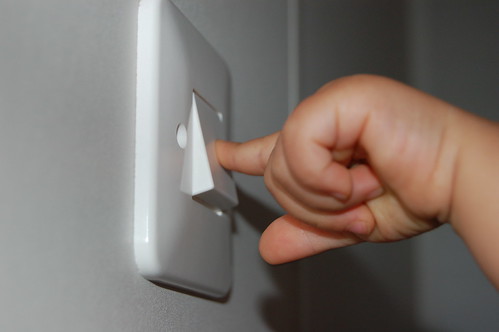
    1. 按壓開關:抱著寶貝,輕握他的小食指,敎他如何用力地按下(電燈)開關,這看似簡單的動作對零歲兒來說可是相當難的,天黑時就可以對寶貝說:『寶貝,我們來開燈吧!哇~你看,燈亮了,你把燈打開了,好棒!』

    2. 面紙盒open:和第1項用意相同,利用濕紙巾盒(相信大部分的家庭都會有)也可以訓練孩子的手指力量,每天按個幾回也不累。


    3. 撲滿存錢:每天給孩子一枚錢幣(我習慣先洗過,錢髒喔!),握住寶貝的手一起瞄準投幣口,『哇~投進去了耶,寶貝,好棒,我們存了一塊錢』這個投錢的活動zoyo至今仍每天實行,只是用意改變,成了儲蓄習慣的建立。

    4. 玩豆、玩彈珠:在zoyo很小時,我就給她們一大堆紅豆或彈珠,她們不亦樂乎地捉拿這些圓球體,有時手中握滿,有時輕捉一個,這不僅是訓練手部細動作,更是觸覺刺激的方法之ㄧ,只是真的要注意,別讓孩子誤食。

    5. 蓋蓋子:找個有蓋子的罐子讓寶貝練習蓋蓋子,一開始別找需要旋扭的蓋子,簡單的蓋子一旦套上,他會很有成就感的,而且會很有興趣地再拔開,然後玩一百次也不厭倦,等到大一些就可以練習扭瓶蓋,小baby需要鼓勵與成就感,困難度太高的遊戲怕他們會排斥。

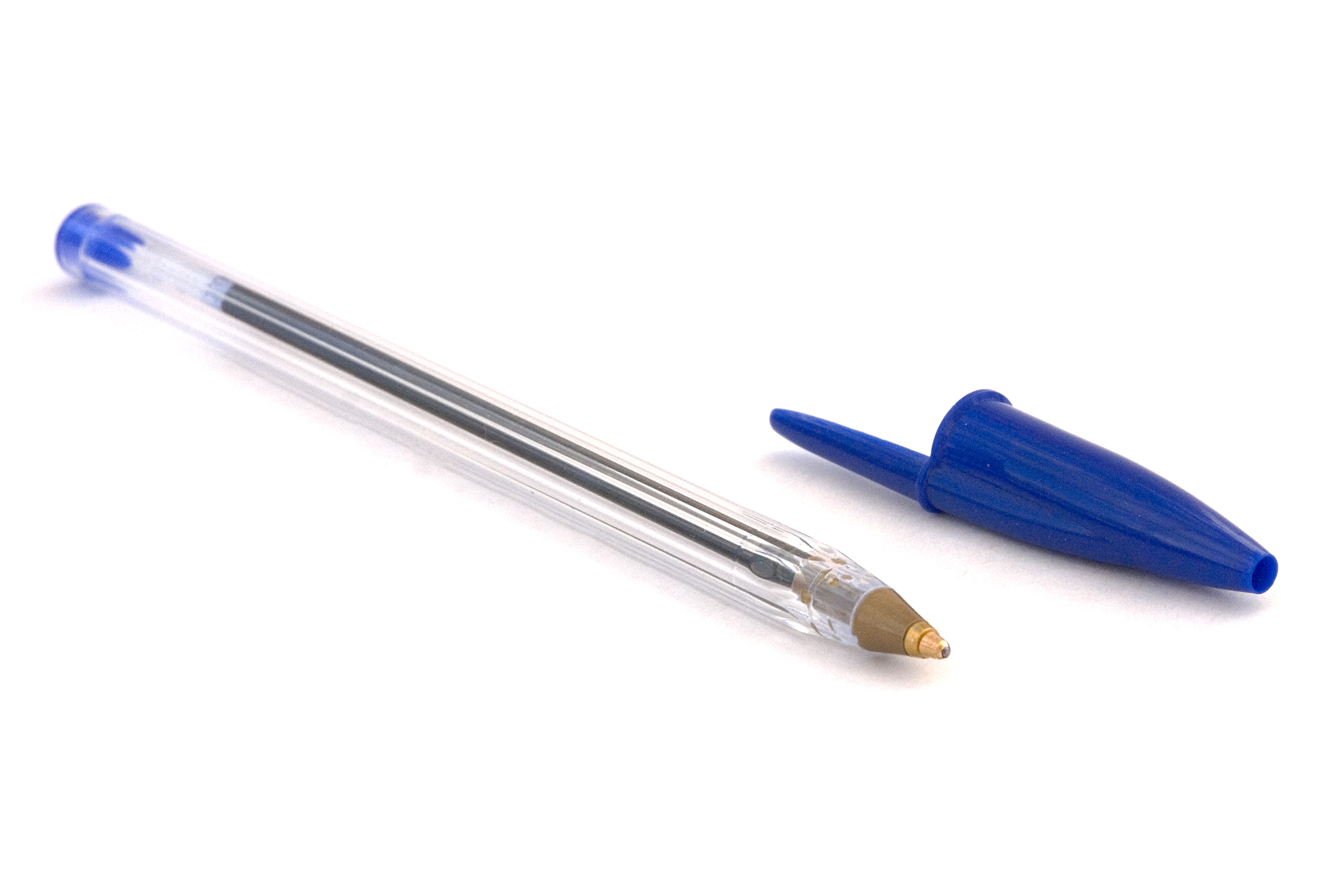
    6. 蓋筆套:和第5項用意相同,只是蓋子變小了,筆套蓋筆這項遊戲是zoyo一歲最愛玩的遊戲,那時我們買了性質相同的水管積木讓她們一次蓋個夠。

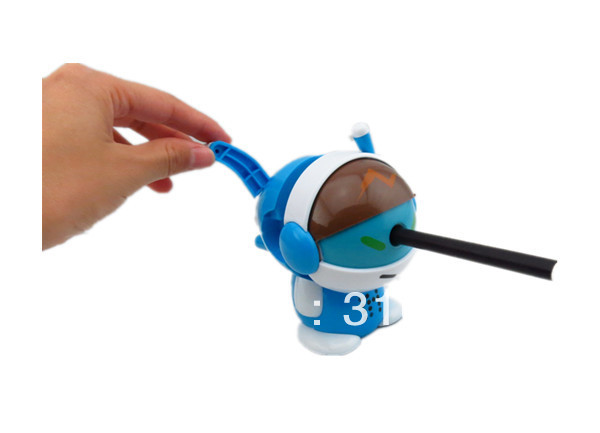
    7. 搖鉛筆機:這個更有趣了,握著搖桿一圈一圈地繞著,這是非常棒的手部運動。

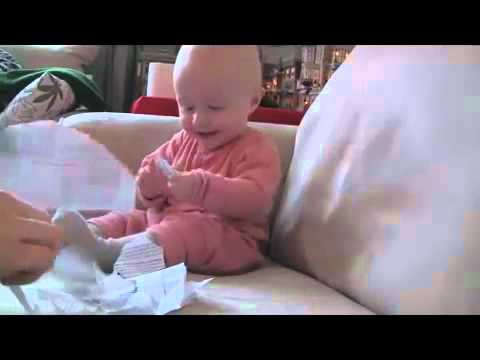
    8. 撕紙:你發現了嗎?其實撕紙的動作分解之後是很複雜的,兩手並用一扭前一扭後,如果丟一張紙給小小孩,他會傻傻地不知扭前扭後的原理,你可以握住他的手,敎他如何撕ㄧ張紙,只是你必須明白告訴他哪些紙不可以撕喔!

    9. 開喇叭鎖

    10. 夾衣夾
    另外大型積木、畫畫、黏土活動也可以開始進行。

    文章转载于: http://www.parenting.com.tw/article/article.action?id=5045083&page=1 & http://www.parenting.com.tw/article/article.action?id=5045083&page=2

    图片转载于: http://farm4.static.flickr.com/3627/3330349915_2e5328577e.jpg, http://image.made-in-china.com/2f0j00CMUtivfGgAcD/Baby-Wet-Wipe-JIEBAO-005-.jpg, http://theuniversalcupholder.com/wp-content/uploads/2010/08/piggy_bank_baby.jpg, http://www.liverenewed.com/wp-content/uploads/2010/09/DSC03485.jpg, http://0.tqn.com/d/workathomemoms/1/0/H/4/-/-/funtainer.jpg, http://upload.wikimedia.org/wikipedia/commons/e/e1/03-BICcristal2008-03-26.jpg, http://blog.habitissimo.es/wp-content/uploads/sites/2/2010/07/puertapeques7.jpg, http://missmernagh.files.wordpress.com/2011/01/dscn0985.jpg

    Wednesday, April 23, 2014

    書單:給0-6歲,「經典童書」開啟閱讀的大門

    2009-11
    親子天下專刊
    作者:嚴淑玲(誠品兒童書店店長)


    從小建立閱讀的美好經驗,是孩子成長過程的重要養分。父母可以根據孩子發展需求,從經典童書著手,幫孩子開啟閱讀的大門。

    選我!選我!請投「經典童書」一票
    買 書像投票,父母的選書決定了孩子的閱讀胃口及書店銷售排行的樣貌,若任由市場自由競爭,想必有些安靜的好書會在滯銷天數超過規定標準後,黯然退出舞台。身 為第一線童書銷售市場的觀察者,我們知道新書未必等於好書,新書雖然豐富了閱讀樣貌,並有機會開啟未來經典可能,但在藏書空間有限的限制下,我們必須像淘 金一樣過篩,讓好書留下。
    不管是因為通過時間軸考驗而過關的經典,或者初上市幾年就預備了經典樣貌的常銷書,都是這次推薦0~6歲閱讀書單的首選。

    小小孩為什麼要讀經典?
    一九九二年,嬰幼兒閱讀運動Bookstart在英國展開,活動內容是贈送新生兒一份閱讀禮袋,目的是鼓勵家長為孩子朗讀圖畫書,建立孩子與圖畫書第一次接觸的美好經驗。而這份美好的經驗,架構在大人的幫助及選擇對的讀物的基礎上。
    大 人是親子共讀中不可缺少的角色,有些大人本來就熱愛閱讀,有些則在幫助孩子的過程中愛上童書。選擇對的讀物其實不需要從頭摸索,因為長期以來通過世界各地 父母共讀經驗肯定、而持續出版的口碑讀物,正是閱讀起步的最佳選擇。一九八一年,日本圖畫書界舵手松居直先生所著的《幸福種子》一書,便強調「親子共讀」 的精神,同時推薦世界各地及日本本土創作的經典圖畫書。

    一九八八年,美國紐約時報書評編輯Eden Ross Lipson為父母撰寫的第一本選書指南《The New York Times Parent's Guide to the Best Books for Children》,書中所推薦的書籍大部分也是經典書籍。

    另外,台灣小大讀書會的發起人林真美,在二○○七年推動經典閱讀活動時曾發表一篇文章,闡述閱讀經典的理由:「童年是我們的根基,既短暫卻又極為重要,所以,要把握住這可貴的時機,在孩子的童年中,提供豐富多元、有機又營養的環境,讓孩子自行去抓取。這正是為什麼大人要為孩子介紹經典繪本的理由。」

    有些父母提到,孩子對學者專家推薦的「經典」作品並不捧場,這其中牽涉到的核心問題,也是大人的幫助以及是否選對書籍的問題。大部分童書都有標示適合閱讀的年齡,但如何能選到適合孩子閱讀的書籍,卻倚賴大人對孩子的了解。

    從遊戲中開始閱讀

    首先,對幼兒來說,「味覺、觸覺、嗅覺、聽覺、視覺」是通往世界的五個窗戶,五覺影響了孩子腦部的發展。因此孩子6~18個月大的閱讀起步期,書就像玩具,可看、可摸、可咬的布書,或是硬紙頁書材質的書籍都可以選擇。

    這段時間經常是進行親子共讀最挫折的時間,大人常會反應孩子不能靜下來聽故事。其實先從孩子可以「玩」的書開始,像是遊戲書(包含了翻翻書、拉拉書、找找書、觸摸書、立體書、洗澡書),還有指物命名的書或簡短的兒歌韻文,透過這些好玩的書,慢慢的就可以與孩子建立共讀的習慣。以下推薦幾本適合幼兒的遊戲書:

    《好餓好餓的毛毛蟲》(上誼)是艾瑞卡爾的代表作,獨特洞洞書的設計,創造書能讀也能玩的形式。《小波在哪裡?》(上誼)這本書巧妙的將躲貓貓遊戲運用在圖畫書設計中,一九八○年問世後,開啟了幼兒翻翻書的玩具書模式。深受家長喜愛的《小寶寶翻翻書》(上誼)為四本生活小書,提供了親子一問一答的互動媒介。《小金魚逃走了》(上誼)是日本繪本作家五味太郎一九七七年的作品,引領孩子細心觀察,可以一再重讀,樂趣不減。


    適合幼兒的故事類型

    除了遊戲書之外,三歲以前幼兒在書籍內容的選擇上,以歌謠韻文、數數書、基礎認知、親子情誼、生活經驗、晚安故事、動物故事為主。推薦的書有下列幾本:

    歌謠韻文:《荷花開蟲蟲飛》(信誼)是傳統兒歌,包含繞口歌、連鎖歌、數字歌、搖籃歌、遊戲歌等經典兒歌。《紅龜糕》(信誼)是台灣第一本專為幼兒撰寫的台語兒歌,內容充滿孩子喜愛的動物主題及台語音韻之美。

    親子情誼:《猜猜有多愛你》(上誼)、《爸爸跟我玩》(上誼)這兩本書是可以邊讀邊玩的書,讀完一次後就能按照書中所描述一起玩耍。

    生活經驗簡易故事:《媽媽買綠豆》(信誼)、《早起的一天》(和英)這兩本書是台灣孩子的生活經驗書,畫面中有許多環境細節安排及家人關係描述,充滿了家庭溫暖及生活樂趣。

    晚安故事:《月亮晚安》(上誼)是以孩子角度出發所寫的晚安書,一九四七年發行至今已發行超過一千萬本,被美國紐約公共圖書館選為「本世紀具有影響力的經典書籍之一」。


    五大特色認識好的幼兒文學

    了解孩子的發展後,就比較知道如何檢查書的內容,選書時也較不會因著暢銷品或價格考量而疏忽品質。因為幼兒閱讀重複性很高,書籍在精不在多。

    若從幼兒文學的角度來看,好的幼兒文學具備以下特色:

    一、乾淨容易跟隨的故事軸線。例如:《母雞蘿絲去散步》(信誼)、《和甘伯伯去遊河》(阿爾發)。

    二、生活化且熟悉的人物情節。例如:《小雞逛超市》(小魯)。

    三、重複累加堆疊的敘述方式。例如:《我的衣裳》(遠流)、《We are going on a Bear hunt》(Walker)、《If you give a mouse a cookie》(HarperCollins)、《Have you see my duckling?》(William Morror)。

    四、看得到小孩的真性情。例如:《小貓頭鷹》(信誼)。

    五、幽默趣味。例如:《鱷魚怕怕牙醫怕怕》(信誼)、《小象散步》(天下雜誌)。

    另外要提醒的是,台灣的幼幼書及圖畫書大部分是翻譯作品,翻譯是否順暢也會影響朗讀故事的品質。


    多元故事內容豐富閱讀世界

    3~6歲孩子在閱讀內容的選擇上趨向多元,以下推薦一些相關的作品:

    一、經典童書主角。孩子喜歡童書主角的原因,主要是童書中塑造的許多角色都有鮮明的性格特色,孩子會將自己投射其中找到認同。

    推薦書:《小兔彼得的故事》(青林)、《瑪德琳》(遠流)、《好髒的哈利》(遠流)

    二、童話/傳說。從前從前……這常常是童話故事的開始,不管是東方或西方的民間傳說,都有著口傳文學的型態,也就是琅琅上口、易於流傳。

    推薦書:《100萬隻貓》(遠流)、《三隻山羊嘎啦嘎啦》(遠流)、《老鼠娶新娘》(遠流)、《在一個晴朗的日子裡》(遠流)

    三、幻想故事。孩子常遊走在虛實之間,而森林的場景總是讓孩子充滿無限的想像。

    推薦書:《在森林裡》(遠流)、《神奇畫具箱》(阿爾發)、《帕拉帕拉山的妖怪》(和英)

    四、自我認同。自信來自於自我接納,培養孩子接納自己,能健康快樂的成長非常重要。

    推薦書:《愛花的牛》(遠流)、《大象艾瑪》(和英)

    五、親子情誼(父女/祖孫)。家庭由許多家人共同組成,家人之間的關係也影響了孩子的發展。

    推薦書:《大猩猩》(格林)、《魔奇魔奇樹》(和英)

    六、友誼/分享。友誼和分享是童書中很溫暖的主題,也是孩子會喜愛的主題。

    推薦書:《古利和古拉》(上誼)、《門鈴又響了》(遠流)

    七、經驗成長。經驗成長經常令共讀的親子會心一笑,有時還能安慰或鼓勵孩子。

    推薦書:《子兒吐吐》(信誼)、《上街買禮物》(上誼)、《阿文的小毯子》(三之三)

    八、無字書。讀圖的能力和讀字的能力一樣重要,無字書透過畫面的設計,讓閱讀像看電影一樣。

    推薦書:《雪人》(上誼)、《雨傘》(小魯)

    九、幽默圖畫書。幽默有趣的故事最能吸引孩子注意。

    推薦書:《老鼠弟弟的背心》(東販)、《是誰嗯嗯在我頭上?》(三之三)、《怪獸古肥羅》(維京)

    十、情緒學習。幼兒的情緒教育影響了孩子的青春期及成年的情緒特質。

    推薦書:《Where the wild things are》(HarperCalling)、《菲菲生氣了》(三之三)

    十一、品格教育。品格的六大支柱之一是「責任」,透過經典故事,讓孩子了解為自己所需要的東西負責,也能想想如何做一件事讓世界更美好。

    推薦書:《貝雷的新衣》(天下雜誌)、《花婆婆》(三之三)


    善用選書幫孩子選擇經典書

    選對書會讓親子共讀事半功倍,適齡及適合共讀的書,只要照著唸,就會得到孩子說「再講一次」的肯定。建議為孩子選書時,可參考幾本選書指南:《幸福的種子》(青林)、《小小愛書人:0~3歲嬰幼兒的閱讀世界》(信誼)、《遇見圖畫書百年經典》(信誼)、《寶寶愛閱讀》(小魯)、《童書大家庭》(彩虹愛家)。

    此外,在選書時不妨與孩子到書店或圖書館進行「親子試讀」,先與孩子試讀你想選擇的經典故事,觀察孩子的反應,幫助孩子選到自己喜好的經典書。


    文章转载于: http://www.parenting.com.tw/article/article.action?id=5039539&page=1
    图片转载于: http://images.51eng.com/p/97803/992/085/9780399208539.jpg
    & http://www.babypost.com/sites/default/files/styles/medium/public/classic_books.jpg?itok=eDIXJc0H & http://blogs.babycenter.com/wp-content/uploads/2014/03/300x200xgoodnight-moon-300x200.jpg.pagespeed.ic.qAtpKJJv9N.jpg & https://blogger.googleusercontent.com/img/b/R29vZ2xl/AVvXsEgmZ1jbPXghoC1O1TD9BQRH4KMIZsvrPRXdgVVFsAa5pzLg0OBzWjFbeGoCEgkiKpvNJYIAKeCXPn14iPGSQ6YQJ02K8sAh_V1DNRwsvaOJPAC51alqCjS3Hy0zmc8sASHqn3YsrRMFCPk/s400/weregoingonabearhuntcover.jpg & http://ts3.mm.bing.net/th?id=HN.608040719238827577&pid=1.7

    Friday, March 28, 2014

    Study: Autism May Be Related to Birth Stress

    Scientists focus on diuretic to restore neuron function in autistic rodents

    By Margie Wilson-Mars 

    With autism rates soaring over the past 20 years, researchers are constantly looking for prevention or treatment methods. One scientist, Yehezkel Ben-Ari of the Mediterranean Institute of Neurobiology in Marseille, France believes autistic children may have suffered stress at birth. As a mother of three autistic children, this peaked my interest, especially since two of them suffered birth trauma.

    While Ben-Ari has done some studies on autistic children, most of his research has been limited to mice and rats. Even so, there are noted parallels that seem to make the study applicable to humans in many ways. His focus is a simple diuretic called bumetanide that reduces levels of chloride in cells. As a diuretic, it helps lower blood pressure by making a person urinate more, reducing fluid in the body.

    Ben-Ari's study says in utero, rats and mice brains are basically hyper, likely true in humans as well, and the chloride that's inside neurons appears to assist in that fast development. Oxytocin, known as the "love hormone" and is responsible for labor, breastfeeding and maternal bonding, calms down the chloride ions during labor, which helps babies deal with the stress of birth.
    Since autism seems to occur more often in babies who experienced a stressful birth, Ben-Ari and his colleagues believe it's possible that the switch to calm the chloride ions down may not happen in babies who end up autistic. One of my boys had severe facial and head injuries from compression when the edge of my cervix wouldn't retract. The other had the umbilical cord looped around his neck twice and was nearly strangulated during the 20 minutes it took to remove it.

    While they can't replicate it exactly in rodents, Ben-Ari's team used two models of autism. In one group, the mice had the most common genetic mutation associated with the human form. The second group consisted of rats "exposed in utero to sodium valproate, an epilepsy drug known to significantly increase risk of autism in children whose mothers take the medication."

    The team used the drug bumetanide, which blocks chloride transport channels in neurons and is used to lower blood pressure, to see if it would lower chloride and restore normal neuron function in the autistic rodents. When given to pregnant rodents, it cured the offspring of both groups and even helped in autistic adult rodents. Since every attempt to find an effective drug has failed, this is very exciting news.

    In 2012, the team did some trials on autistic children with some success. However, several issues need to be addressed. The biggest obstacle is the fact that there's no way to detect autistic babies in utero. There's also some concern over the fact that Ben-Ari has patented a version of bumetanide and formed a company, Neurochlore, that plans to test it on children, so he would profit from its success.

    Some scientists question the vast difference between the human brain and rodent brain, but any progress towards the understanding, treatment or even a cure is welcome. One scientist, neuroscientist Emanuel DiCicco-Bloom, says the study is "pretty awesome" and other autism scientists are thrilled about the discovery. Andrew Zimmerman, a pediatric neurologist and autism expert at the University of Massachusetts Medical School in Worcester, Mass., says it's a "pretty incredible finding and really great."
    It's believed that the earlier autistic children are diagnosed the better because treatment is more effective the earlier it starts. Ben-Ari is doing trials on kids as young as 2. It's usually discovered at about 4 years old. According to the Centers for Disease Control and Prevention, 1 in 88 children in the United States are autistic, and the number is rising.

    Ben-Ari says, "It's important for people to understand there is no drug to cure a medical disease as complicated as autism."

    There's still many years of testing and trials ahead, but hopefully, this is one step closer to a cure.


    Article retrieved from: http://www.parenting.com/pregnancy/complications/study-autism-may-be-related-to-birth-stress?utm_source=facebook&utm_medium=social&utm_content=4478494

    Image retrieved from: http://i.telegraph.co.uk/multimedia/archive/01450/pregnant_1450316c.jpg

    Twitter Delicious Facebook Digg Stumbleupon Favorites More