Showing posts with label Autism Spectrum. Show all posts

Friday, March 28, 2014

Study: Autism May Be Related to Birth Stress

Scientists focus on diuretic to restore neuron function in autistic rodents

By Margie Wilson-Mars 

With autism rates soaring over the past 20 years, researchers are constantly looking for prevention or treatment methods. One scientist, Yehezkel Ben-Ari of the Mediterranean Institute of Neurobiology in Marseille, France believes autistic children may have suffered stress at birth. As a mother of three autistic children, this peaked my interest, especially since two of them suffered birth trauma.

While Ben-Ari has done some studies on autistic children, most of his research has been limited to mice and rats. Even so, there are noted parallels that seem to make the study applicable to humans in many ways. His focus is a simple diuretic called bumetanide that reduces levels of chloride in cells. As a diuretic, it helps lower blood pressure by making a person urinate more, reducing fluid in the body.

Ben-Ari's study says in utero, rats and mice brains are basically hyper, likely true in humans as well, and the chloride that's inside neurons appears to assist in that fast development. Oxytocin, known as the "love hormone" and is responsible for labor, breastfeeding and maternal bonding, calms down the chloride ions during labor, which helps babies deal with the stress of birth.
Since autism seems to occur more often in babies who experienced a stressful birth, Ben-Ari and his colleagues believe it's possible that the switch to calm the chloride ions down may not happen in babies who end up autistic. One of my boys had severe facial and head injuries from compression when the edge of my cervix wouldn't retract. The other had the umbilical cord looped around his neck twice and was nearly strangulated during the 20 minutes it took to remove it.

While they can't replicate it exactly in rodents, Ben-Ari's team used two models of autism. In one group, the mice had the most common genetic mutation associated with the human form. The second group consisted of rats "exposed in utero to sodium valproate, an epilepsy drug known to significantly increase risk of autism in children whose mothers take the medication."

The team used the drug bumetanide, which blocks chloride transport channels in neurons and is used to lower blood pressure, to see if it would lower chloride and restore normal neuron function in the autistic rodents. When given to pregnant rodents, it cured the offspring of both groups and even helped in autistic adult rodents. Since every attempt to find an effective drug has failed, this is very exciting news.

In 2012, the team did some trials on autistic children with some success. However, several issues need to be addressed. The biggest obstacle is the fact that there's no way to detect autistic babies in utero. There's also some concern over the fact that Ben-Ari has patented a version of bumetanide and formed a company, Neurochlore, that plans to test it on children, so he would profit from its success.

Some scientists question the vast difference between the human brain and rodent brain, but any progress towards the understanding, treatment or even a cure is welcome. One scientist, neuroscientist Emanuel DiCicco-Bloom, says the study is "pretty awesome" and other autism scientists are thrilled about the discovery. Andrew Zimmerman, a pediatric neurologist and autism expert at the University of Massachusetts Medical School in Worcester, Mass., says it's a "pretty incredible finding and really great."
It's believed that the earlier autistic children are diagnosed the better because treatment is more effective the earlier it starts. Ben-Ari is doing trials on kids as young as 2. It's usually discovered at about 4 years old. According to the Centers for Disease Control and Prevention, 1 in 88 children in the United States are autistic, and the number is rising.

Ben-Ari says, "It's important for people to understand there is no drug to cure a medical disease as complicated as autism."

There's still many years of testing and trials ahead, but hopefully, this is one step closer to a cure.


Article retrieved from: http://www.parenting.com/pregnancy/complications/study-autism-may-be-related-to-birth-stress?utm_source=facebook&utm_medium=social&utm_content=4478494

Image retrieved from: http://i.telegraph.co.uk/multimedia/archive/01450/pregnant_1450316c.jpg

Thursday, January 23, 2014

Hand-Eye Coordination Improves Cognitive and Social Skills

Researchers link hand-eye coordination to learning, cognition, and sociability.
Published on November 15, 2013
by Christopher Bergland in The Athlete's Way


Cognitive scientists at Indiana University have discovered a strong correlation between hand-eye coordination, learning abilities, and social communication skills. The study titled “Joint Attention Without Gaze Following: Human Infants and Their Parents Coordinate Visual Attention to Objects Through Eye-Hand Coordination," was published on November 13, 2013 in the online journal PLOS ONE.

The new research provides compelling evidence for a practical way that social partners—in this case, 1-year-olds and their parents—can coordinate their joint attention and focus, which is a key component of parent-child communication and early language learning.

Previous research involving visual attention between parents and toddlers has focused more on the ability of each person to follow the gaze of the other person’s eyes. In recent years, many studies have found a link between eye contact, gaze and autism spectrum disorder (ASD).

The Indiana researchers realized that hand-eye coordination is much more common throughout the day, and that when the parent and toddler both focus their hands and eyes on an object they interact as equals, rather than one or the other taking the lead.

"Currently, interventions consist of training children to look at the other's face and gaze," said Chen Yu, associate professor in the Department of Psychological and Brain Sciences at Indiana University, Bloomington. "Now we know that typically developing children achieve joint attention with caregivers less through gaze following and more often through following the other's hands."

The researchers understand that, "The daily lives of toddlers are filled with social contexts in which objects are handled, such as mealtime, toy play and getting dressed. In those contexts, it appears we need to look more at another's hands to follow the other's lead, not just gaze."

The findings open up exciting questions about language learning and the teaching of language. They could also have major implications for the treatment of children with early social-communication impairment, such as autism, where joint caregiver-child attention with respect to objects and events is a key issue. The researchers believe these findings solve some of the problems and inadequacies of the classic unified “gaze-following” theory.

The researchers found that gaze-following theory tends to be imprecise in the real and chaotic world outside the sterility of a laboratory. It can be hard to tell precisely what someone is looking at when there are several objects together. It is easier and more precise to follow someone's hands. In other situations, it may be more useful to follow the other's gaze, according to the researchers. "Each of these pathways can be useful," Yu said. "A multi-pathway solution creates more options and gives us more robust solutions."

Researchers used innovative head-mounted eye-tracking technology that records the views of those wearing it, like Google Glass, which has never been used before with young children. While recording moment-to-moment data of what both parent and child visually attend to as they play together in the lab, the researchers also applied advanced data-mining techniques to discover fine-grained eye, head and hand movement patterns from a rich dataset they obtained from multimodal digital data.

"This really offers a new way to understand and teach joint attention skills," said co-author Linda Smith, Distinguished Professor in the Department of Psychological and Brain Sciences at Indiana University. Smith has done pioneering research and theoretical work in the development of human cognition, particularly as it relates to children ages 1 to 3 acquiring their first language. "We know that although young children can follow eye gaze, it is not precise, cueing attention only generally to the left or right. Hand actions are spatially precise, so hand-following might actually teach more precise gaze-following."

The Cerebellum Coordinates Eye and Hand Tracking Movements

I have written extensively in The Athlete’s Way about the possible role the cerebellum plays in cognitive function and well-being throughout a lifespan. This research from Indiana University offers more proof of the connection between the cerebellum and cerebral functions linked to learning and social behavior.
The mysterious and powerful cerebellum (Latin: Little Brain) is only 10% of brain volume but holds over 50% of your brain’s neurons. My father, who was a neurosurgeon and neuroscientist always said, “whatever the cerebellum is doing, it’s doing a lot of it.”

In another study from March 2013, a research team honed in on the gene Tsc2 in Purkinje cells of the cerebellum and found that loss of Tsc2 in Purkinje cells lead to autistic-like behavioral deficits. These studies provide compelling evidence that Purkinje cell loss in the cerebellum and/or dysfunction may be an important link between ASD as well as a "general anatomic phenomenon that contributes to the ASD phenotype," according to researchers.

A 2001 study published in the journal Nature Neuroscience confirmed that the cerebellum coordinates eye and hand tracking movements. The researchers used functional magnetic resonance imaging (fMRI) during visually guided tracking tasks that required varying degrees of hand-eye coordination.

The researchers found that the cerebellum was more active during independent rather than coordinated eye and hand tracking. However, in three further tasks, they also found increases in cerebellar blood oxygenation as hand-eye coordination increased.

This proves that the cerebellum has a direct relationship to tracking performance, with high activity seen during both coordinated and independent conditions of hand and eye tracking. This data provides the most direct  evidence that the cerebellum not only supports motor coordination but plays a significant role in learning to coordinate eye and hand movement.

Could the Vestibulo-Ocular Reflex be Linked to Autism?

The cerebellum also controls the vestibulo-ocular reflex (VOR) which is a reflex eye movement that stabilizes images during head movement by producing an eye movement in the direction opposite to head movement, which keeps the image in the center of your visual field. VOR is used for tracking a target and for helping to coordinate hand-eye movement. For example, when the head moves to the right, the eyes move to the left, and vice versa. Since slight head movement is present all the time, the VOR is very important for stabilizing vision.

The vestibulo-ocular reflex needs to work very quickly to maintain clear vision and focus. Head movements must be compensated for almost immediately—otherwise, your vision would look like a video taken with a shaky hand or in motion. VOR is used to play most sports and is key for hitting a tennis ball, hockey puck, baseball, catching a football... and for striking any moving target.
My father—who was a nationally ranked tennis player in his youth—always said, "Of this I am absolutely positive, becoming a neurosurgeon was the direct consequence of my eye for the ball." When people say 'keep-your-eye-on-the-ball,' they are literally describing the importance of a finely tuned vestibulo-ocular reflex.

To achieve clear vision, signals from the inner ear are sent as directly as possible to the eye muscles: the connection involves only three neurons, and is correspondingly called the three neuron arc. Using these direct connections, eye movements lag the head movements by less than 10 milliseconds. A well functioning vestibulo-ocular reflex is one of the fastest reflexes in the human body.

My fascination with the cerebellum and VOR is something my father passed on to me. I've yet to find research that connects the VOR to brain connectivity, autism, or learning disabilities. To my knowledge, the role of VOR in autism spectrum disorder and other learning disabilities is still an educated guess.

Brain Connectivity Between Hemispheres is Key to Learning

Another study from August 2013 found that atypical visual orientation in 7-month-olds could be a sign of risk for autism. The study titled “White Matter Microstructure and Atypical Visual Orienting in 7-Month-Olds at Risk for Autism” was published in American Journal of Psychiatry. White matter in the corpus callosum connects the left and right hemispheres of your cerebrum.

The researchers from Philadelphia found that children who are later diagnosed with autism have subtle but measurable differences in attention as early as 7 months of age. Researchers found that infants who went on to be diagnosed with autism are slower to shift their gaze from one object to another (by approximately 50 milliseconds), compared to peers who did not receive the diagnosis.

The scientists identified specific brain circuits in the corpus callosum were responsible for causing the slower response. The findings point to a problem they called "sticky attention," which is a phenomenon observed in preschool and older children with autism, but not yet well studied before in babies at risk for autism.

They were slower than both high-risk-negative and low-risk infants to orient or shift their gaze to objects that appeared outside their direct gaze. Results also implicate a specific neural circuit (the splenium of the corpus callosum), which may develop differently in those at risk for ASD compared to typically developing infants, who show more rapid orienting to visual stimuli.

"This is a very exciting study, because the impairments in shifting gaze and attention that we found in 7-month-olds may be a fundamental problem in autism," said Robert T. Schultz, Ph.D. Director of the Center for Autism Research and a co-author on the study. "These results are another piece of the puzzle in pinpointing the earliest signs of autism. Understanding how autism begins and unfolds in the first years of life will pave the way for more effective interventions and better long-term outcomes for individuals with autism and their families."

Other research on the benefits of playing an instrument before age 7 and the importance of hand gesticulation early in life imply that the neural scaffolding that connects brain hemispheres needs to be laid down early for the neural connections to have an infrastructure to build upon.

Conclusion: Scaffolding for Brain Connectivity is Built in Toddlers via Hand-Eye Coordination

Research is mounting that creating strong connectivity between both hemispheres of the cerebrum and both hemispheres of the cerebellum holds the key for optimizing brain function throughout a lifespan.

This new research on the role of hand-eye coordination in the early development of toddlers is another clue for practical ways that we can give toddlers and children the best odds for learning, creating social connectivity and lay the neural groundwork for maximizing their potential.

Just like a baby chick who has a patch put over one eye throughout early development would not have the scaffolding to build the neural connections needed for vision in that eye ...  it makes sense that daily activities in early life are important for laying down an initial neural scaffolding between brain hemispheres that serves as an infrastructure to fortify well-connected brain hemispheres in childhood and beyond.

As I put the pieces of this puzzle together, my hypothesis (and advice) is that parents, teachers and caregivers should strive to include daily activities that strenghten brain connectivity between all four brain hemispheres—starting from the first day of a person’s life. These initial neural connections will play a crucial role in optimizing a child's human potential for a lifespan.

Article retrieved from: http://www.psychologytoday.com/blog/the-athletes-way/201311/hand-eye-coordination-improves-cognitive-and-social-skills

Images retrieved from: http://blog.talkingmatters.com.au/wp-content/uploads/2013/08/Dion-six-threading.jpg
http://www.spotkidstherapy.com/wp-content/uploads/2013/07/Eye-hand-coordination.jpg
http://blog.talkingmatters.com.au/wp-content/uploads/2013/08/Hayden-five-fishing-2.jpg
https://blogger.googleusercontent.com/img/b/R29vZ2xl/AVvXsEiW1i6JzBbf4D2UySEgKhpniiFfBr_3SxEJ6mldB9bE5sxgphA-SgtHURdBsxkjRUt4HJs1qS7ujZ8TV8ZYbN0UnN4CQ5HzXl0AJTvxVs2vvbl1-kCX7zfXSvgbDdlgljXw1WwkIWoHExX5/s1600/kidssewingkit8.jpg

Bacteria and Your Brain: Gut flora affect brain function and might play important role in brain disorders

Published on December 12, 2013 by Kimberlee D’Ardenne, Ph.D. in Quilted Science


If you count cells, we are not even close to being a majority human.

In our bodies, bacteria far outnumber human cells, 10:1. The number of bacterial cells living inside the human body even exceeds the number of neurons in the brain (and that’s roughly 80 billion neurons).

Before you get disgusted at being a living Petri dish, realize that these bacteria are beneficial.  They have a symbiotic relationship with our bodies, one that is vital to physical and mental health.

Recent research on the bacteria in our intestines, which is also called gut flora or microbiota, really makes a strong case that we should suspend judgment that what goes on in our intestines is gross.  I am convinced that gut flora is actually awesome, and I’m going to talk about a few reasons why.

Gut flora plays an important role in digestion and health.  All gut flora is not created equal, and recently the FDA has approved fecal microbiota transplants to treat debilitating gastrointestinal conditions, such as hard-to-cure infections and autoimmune diseases like Crohn’s and colitis.  (Mercifully, scientists are working on a pill that aims to do the same thing as a fecal transplant.)

But—and this is the awesome part—gut flora also affects how our brain works.

Cross-disciplinary research spanning neuroscience and gastroenterology has started identifying the biological mechanisms behind the bidirectional connection between the gut and brain.

For example, scientists were able to make anxious mice non-anxious by transplanting gut flora from non-anxious mice into the intestines of anxious mice.  They were also able to do the reverse, making non-anxious mice anxious via fecal microbiota transplant, which is the same general procedure described above in humans.

And experiments in healthy humans show that just eating over-the-counter probiotic yogurt had widespread effects on the brain.

Published last week, a study in mice suggests a relationship between gut flora and some behaviors seen in autism spectrum disorder. This provocative study used an animal model of autism to examine how different populations of gut flora affected the animals.


The mice used in the study had gastrointestinal problems that are seen in certain subpopulations of autistic humans, and the mice also displayed analogs of behaviors seen in some autistic humans.

The researchers treated the mice with probiotics, which altered their gut flora in a controlled way.  The scientists then examined how probiotics changed both gastrointestinal malfunctions and behavior.

Probiotic treatment alleviated gastrointestinal issues, specifically leaky gut, present in the mice.  The authors point out that a recent study in humans identified that autistic children with leaky gut were missing the specific bacteria included in the mouse experimental probiotic.

But what is really interesting is that giving the mice probiotics improved the behaviors associated with autism in humans.  Changing the bacteria in the gut changed the brain and therefore behavior.

The authors summarize their results as “supporting emerging evidence for a gut-brain link in modulating neurodevelopmental disorders.”

Though this study used an animal model for autism, the finding of gut flora composition affecting behavior applies to other brain disorders as well.  “… the behavioral abnormalities characteristic to human ASD can be individually seen in other neurological diseases such as schizophrenia, obsessive compulsive disorder, Angelman syndrome, and Prader-Willi syndrome.”

So instead of thinking of the all bacteria you play host to as icky or gross, give your gut flora the respect it deserves.  Gut flora is pretty awesome.

Article retrieved from: http://www.psychologytoday.com/blog/quilted-science/201312/bacteria-and-your-brain

Image retrieved from: http://assets.nydailynews.com/polopoly_fs/1.1197272.1352216654!/img/httpImage/image.jpg_gen/derivatives/landscape_635/shutterstock-baby-eating.jpg

Wednesday, June 5, 2013

Lower Autism Risk With Folic Acid Supplements in Pregnancy


Feb. 12, 2013 — Women who took folic acid supplements in early pregnancy almost halved the risk of having a child with autism. Beginning to take folic acid supplements later in pregnancy did not reduce the risk. This is shown in new findings from the ABC Study and Norwegian Mother and Child Cohort Study published in the Journal of The American Medical Association (JAMA).

Women who took folic acid supplements from four weeks before conception to eight weeks into pregnancy had a 40 per cent lower risk of giving birth to children with childhood autism (classic autism). Use of folic acid supplements midway through pregnancy (week 22) had no effect.

The findings only apply to a lower risk of childhood autism, the most severe form of autism. The results show no reduction in the risk of atypical or unspecific autism. The study also investigated the prevalence of Asperger syndrome, but the number of examined children was too low to give a reliable result.

Food and other supplements did not reduce risk
The researchers found no connection between childhood autism and intake of other supplements during pregnancy. They also found no correlation with maternal intake of folate through food.
"It appears that the reduced risk of childhood autism only reflects folic acid supplements, not food or other supplements, and that the crucial time interval is from four weeks before conception to eight weeks into pregnancy," says Dr Pål Surén, primary author of the paper and researcher at the Norwegian Institute of Public Health.

Clear results that pave the way for further research
The results show an association between the use of folic acid supplements in the mother during pregnancy and a reduced risk of childhood autism.
"The study does not prove that folic acid supplements can prevent childhood autism. However, the findings are so apparent that they constitute a good argument to further examine possible causal mechanisms. It should also be ascertained whether folic acid is associated with a reduced risk of other brain disorders in children," says Surén.

Emphasises the importance of folic acid supplements
The results support the Norwegian Directorate of Health's recommendations for folic acid supplements during pregnancy and emphasise the importance of starting early -- preferably before conception.

Method
The ABC Study included participants in the Norwegian Mother and Child Cohort Study (MoBa) who were born in 2002-2008, and included a total of 85,176 children. The mothers had given detailed information about their diet and the use of supplements in early pregnancy. Children with autism diagnoses in MoBa were identified through questionnaires, referrals from parents and health personnel and through links to the Norwegian Patient Register. When the analyses were done, 270 children with autism diagnoses were identified in the study population. Of these children, 114 children had autism, 56 had Asperger syndrome and 100 had atypical or unspecified autism.

The use of folic acid supplements in early pregnancy increased sharply from 2002 to 2008 among women who participated in the Norwegian Mother and Child Cohort Study. 43 per cent of mothers took folic acid supplements in 2002, while the percentage had risen to 85 per cent in 2008. However, many women began later than is desirable; only half of women who took folic acid supplements had begun before conception.

About the study
The ABC study is conducted by the Norwegian Institute of Public Health in collaboration with Columbia University in New York and the National Institute of Neurological Disorders and Stroke (NINDS) in Bethesda, USA. The study received funding from NINDS. In addition, funds for research analysis were provided by the Norwegian Research Council. MoBa is managed by the NIPH.

The Norwegian Directorate of Health recommends that women who are planning to become pregnant should take folic acid supplements from one month before conception and during the first three months of pregnancy.

The recommendation is based on research showing that the use of folic acid supplements in early pregnancy protects the fetus from spina bifida and other neural tube defects.
In recent years, researchers have begun to investigate whether folic acid supplements may also have other beneficial effects on the development of the brain and spinal cord in the fetus. A study from the Norwegian Mother and Child Cohort Study showed that mothers who took folic acid supplements early in pregnancy halved the risk of having children with severe language delay at three years-old. A study of autism spectrum disorders from California found a lower risk of autism among children of expectant mothers who had taken multivitamin supplements containing folic acid.

Background Information:
Folic acid is a B vitamin that is essential for the construction and repair of DNA molecules, the genetic material which controls all body cells.

Folate is the naturally occurring form of folic acid and is found in leafy vegetables, peas, lentils, beans, eggs, yeast and liver.

For most pregnant women, folic acid supplements are required to reach the recommended levels of folate in the blood.

Some countries add folic acid to flour, so that the entire population receives a supplement, but this is not done in Norway.

Studies from other countries show that many pregnant women consume less dietary folate than is necessary to prevent neural tube defects.


Article retrieved from: http://www.sciencedaily.com/releases/2013/02/130212172209.htm
Image retrieved from: http://www.magnetstreet.com/baby-blog/wp-content/uploads/2009/03/pregnant-belly-300x300.jpg
and http://healthypalm.com/wp-content/uploads/2012/06/Pregnancy-Supplements.jpg

Tuesday, May 14, 2013

Giving Autism a Voice

Tuesday, April 2, 2013

Autism & Your Family


How will I deal with this diagnosis?

It's not easy to hear the news that your child has autism, and realize that your life will be utterly different than you had expected it to be. Daily life with a special-needs child presents many unique challenges. How do you come to terms with the fact that your child has autism? How do you cope once you get over the initial shock? We aim to help you by providing regular features on topics ranging from how autism affects your family to day-to-day survival strategies.

You are never prepared for a diagnosis of autism. It is likely that you will experience a range of emotions. It is painful to love so much, to want something so much, and not quite get it. You want your child to get better so much you may feel some of the stages commonly associated with grieving. You may “revisit” these feelings from time to time in the future. Part of moving forward, is dealing with your own needs and emotions along the way.


Stages Associated with Grieving

Shock
Immediately after the diagnosis you may feel stunned or confused. The reality of the diagnosis may be so overwhelming that you're not ready to accept it or you initially ignore it. You may also question the diagnosis or search for another doctor who will tell
you something different.

Sadness or Grief
Many parents must mourn some of the hopes and dreams they held for their child before they can move on. There will probably be many times when you feel extremely sad. Friends may refer to this as being “depressed,” which can sound frightening.
There is, however, a difference between sadness and depression. Depression often stands in the way of moving forward. Allowing yourself to feel sadness can help you grow. You have every right to feel sad and to express it in ways that are comfortable. Crying can help release some of the tension that builds up when you try to hold in sadness. A good cry can get you over one hurdle and help you face the next.

Anger
With time, your sadness may give way to anger. Although anger is a natural part of the process, you may find that it's directed at those closest to you – your child, your spouse, your friend or at the world in general. You may also feel resentment toward parents of typical children. Your anger may come out in different ways – snapping at people, overreacting at small things, even screaming and yelling. Anger is normal. It is a healthy and expected reaction to feelings of loss and stress that come with this diagnosis. Expressing your anger releases tension. It's an attempt to tell the people around you that you hurt, that you are outraged that this diagnosis has happened to your child.

Denial
You may go through periods of refusing to believe what is happening to your child. You don't consciously choose this reaction; like anger, it just happens. During this time, you may not be able to hear the facts as they related to your child's diagnosis. Don't be critical of yourself for reacting this way. Denial is a way of coping. It may be what gets you through a particularly difficult period. You must, however, be aware of that you may be experiencing denial so that it doesn't cause you to lose focus on your child's treatment.

Try not to “shoot the messenger.”
When someone, a professional, a therapist or a teacher, tells you something that is hard to hear about your child, consider that they are trying to help you so that you can address the problem. It is important not to alienate people who can give you helpful feedback and monitoring of your child's progress. Whether you agree or not, try to thank them for the information. If you are upset, try considering their information when you have had a chance to calm down.

Loneliness
You may feel isolated and lonely. These feelings may have many causes. Loneliness may also come from the fact that in your new situation you simply don't feel you have the time to contact friends or family for company or that, if you did reach out, they wouldn't understand or be supportive. In the pages that follow, we have some suggestions for taking care of yourself and for getting the support you need.

Acceptance
Ultimately, you may feel a sense of acceptance. It's helpful to distinguish between accepting that your child has been diagnosed with autism and accepting autism. Accepting the diagnosis simply means that you are ready to advocate for your child.
The period following an autism diagnosis can be very challenging, even for the most harmonious families. Although the child affected by autism may never experience the negative emotions associated with the diagnosis, parents, siblings and extended
family members may each process the diagnosis in different ways, and at different rates.

Give yourself time to adjust
Be patient with yourself. It will take some time to understand your child's disorder and the impact it has on you and your family. Difficult emotions may resurface from time to time. There may be times when you feel helpless and angry that autism has resulted in
a life that is much different than you had planned. But you will also experience feelings of hope as your child begins to make progress.


Caring for the Caregiver


Changing the course of your child's life with autism can be a very rewarding experience. You are making an enormous difference in his or her life. To make it happen, you need to take care of yourself. Take a moment to answer these questions: Where does
your support and strength come from? How are you really doing? Do you need to cry? Complain? Scream? Would you like some help but don't know who to ask?

“Remember that if you want to take the best possible care of your child, you must first take the best possible care of yourself.”

Parents often fail to evaluate their own sources of strength, coping skills, or emotional attitudes. You may be so busy meeting the needs of your child that you don't allow yourself time to relax, cry, or simply think. You may wait until you are so exhausted or
stressed out that you can barely carry on before you consider your own needs. Reaching this point is bad for you and for your family.

You may feel that your child needs you right now, more than ever. Your “to do” list may be what is driving you forward right now. Or, you may feel completely overwhelmed and not know here to start. There is no single way to cope. Each family is unique and deals with stressful situations differently. Getting your child started in treatment will help you feel better.
Acknowledging the emotional impact of autism and taking care of yourself during this stressful period will help prepare you for the challenges ahead. Autism is a pervasive, multi-faceted disorder. It will not only change the way that you look at your child, it will change the way you look at the world. As some parents may tell you, you may be a better person for it. The love and hope that you have for your child is probably stronger than you realize.


Here are some tips from parents who have experienced what you are going through:

Get going. Getting your child started in treatment will help. There are many details you will be managing in an intensive treatment program, especially if it is based in your home. If you know your child is engaged in meaningful activities, you will be more able to focus
on moving forward. It may also free up some of your time so you can educate yourself, advocate for your child, and take care of yourself so that you can keep going.

Ask for help. Asking for help can be very difficult, especially at first. Don't hesitate to use whatever support is available to you. People around you may want to help, but may not know how. Is there someone who can take your other kids somewhere for an afternoon? Or
cook dinner for your family one night so that you can spend the time learning: Can they pick a few things up for you at the store or do a load of laundry? Can they let other people know you are going through a difficult time and could use a hand?

Talk to someone. Everyone needs someone to talk to. Let someone know what you are going through and how you feel. Someone who just listens can be a great source of strength. If you can't get out of the house, use the phone to call a friend. Link to Family Services

“At my support group I met a group of women who were juggling the same things I am. It felt so good not to feel like I was from another planet!”

Consider joining a support group. It may be helpful to listen or talk to people who have been or are going through a similar experience. Support groups can be great sources for information about what services are available in your area and who provides them. You may have to try more than one to find a group that feels right to you. You may find you aren't a “support group kind of person.” For many parents in your situation, support groups provide valuable hope, comfort and encouragement. Link to AS Support Network

Try to take a break.
If you can, allow yourself to take some time away, even if it is only a few minutes to take a walk. If it's possible, getting out to a movie, going shopping, or visiting a friend can make a world of difference. If you feel guilty about taking a break, try to remind yourself that it will help you to be renewed for the things you need to do when you get back.
Try to get some rest. If you are getting regular sleep, you will be better prepared to make good decisions, be more patient with your child and deal with the stress in your life.

Consider keeping a journal. Louise DeSalvo, in Writing as a Way of Healing, notes that studies have shown that “writing that describes traumatic events and our deepest thoughts and feelings about them is linked with improved immune function, improved emotional and physical health,” and positive behavioral changes. Some parents have found a journaling a helpful tool for keeping track of their children's progress, what's working and what isn't.

Be mindful of the time you spend on the Internet. The Internet will be one of the most important tools you have for learning what you need to know about autism and how to help your child.

Unfortunately, there is more information on the web than any of us have time to read in a lifetime. There may also be a lot of misinformation. Right now, while you are trying to make the most of every minute, keep an eye on the clock and frequently ask yourself these important questions:
• Is what I'm reading right now very likely to be relevant to my child?
• Is it new information?
• Is it helpful?
• Is it from a reliable source?
Sometimes, the time you spend on the Internet will be incredibly valuable. Other times, it may be better for you and your child if you use that time to take care of yourself.


Fifteen Tips for Your Family


As a result of her work with many families who deal so gracefully with the challenges of autism, Family Therapist, Kathryn Smerling, Ph.D., offers these five tips for parents, five for siblings and five for extended family members:

5 Tips for Parents

Learn to be the best advocate you can be for your child. Be informed. Take advantage
of all the services that are available to you in your community. You will meet practitioners and providers who can educate you and help you. You will gather great strength from the people you meet.

Don't push your feelings away.
Talk about them. You may feel both ambivalent and angry. Those are emotions to be expected. It's OK to feel conflicting emotions. Try to direct your anger towards the disorder and not towards your loved ones. When you find yourself arguing with your spouse over an autism related issue, try to remember that this topic is painful for both of you; and be careful not to get mad at each other when it really is the autism that has you so upset and angry.

Try to have some semblance of an adult life. Be careful to not let autism consume every waking hour of your life. Spend quality time with your typically developing children and your spouse, and refrain from constantly talking about autism. Everyone in your family needs support, and to be happy despite the circumstances.

Appreciate the small victories your child may achieve. Love your child and take great pride in each small accomplishment. Focus on what they can do instead of making comparisons with a typically developing child. Love them for who they are rather than what they should be.

Get involved with the Autism community. Don't underestimate the power of “community”. You may be the captain of your team, but you can't do everything yourself. Make friends with other parents who have children with autism. By meeting other parents you will have the support of families who understand your day to day challenges. Getting involved with autism advocacy is empowering and productive. You will be doing something for yourself as well as your child by being proactive.


5 Tips for Brothers & Sisters

Remember that you are not alone! Every family is confronted with life's challenges… and yes, autism is challenging… but, if you look closely, nearly everyone has something difficult to face in their families.

Be proud of your brother or sister. Learn to talk about autism and be open and comfortable describing the disorder to others. If you are comfortable with the topic…they will be comfortable too. If you are embarrassed by your brother or sister, your friends will sense this and it will make it awkward for them. If you talk openly to your friends about autism, they will become comfortable. But, like everyone else, sometimes you will love your brother or sister, and sometimes you will hate them. It's okay to feel your feelings. And, often it's easier when you have a professional counselor to help you understand them – someone special who is here just for you! Love your brother or sister the way they are.

While it is OK to be sad that you have a brother or sister affected by autism it doesn't help to be upset and angry for extended periods of time. Your anger doesn't change the situation; it only makes you unhappier. Remember your Mom and Dad may have those feelings too.

Spend time with your Mom and Dad alone. Doing things together as a family with and without your brother or sister strengthens your family bond. It's OK for you to want alone time. Having a family member with autism can often be very time consuming, and attention grabbing. You need to feel important too. Remember, even if your brother or sister didn't have autism, you would still need alone time with Mom and Dad.

Find an activity you can do with your brother or sister.
You will find it rewarding to connect with your brother or sister, even if it is just putting a simple puzzle together. No matter how impaired they may be, doing something together creates a closeness. They will look forward to these shared activities and greet you with a special smile.


5 Tips for Grandparents and Extended Family
Family members have a lot to offer. Each family member is able to offer the things they have learned to do best over time. Ask how you can be helpful to your family.
Your efforts will be appreciated whether it means taking care of the child so that the parents can go out to dinner, or raising money for the special school that helps your family's child. Organize a lunch, a theatre benefit, a carnival, or a card game. It will warm your family's hearts to know that you are pitching in to create support and closeness.

Seek out your own support. If you find yourself having a difficult time accepting and dealing with the fact that your loved one has autism, seek out your own support. Your family may not be able to provide you with that kind of support so you must be considerate and look elsewhere. In this way you can be stronger for them, helping with the many challenges they face.

Be open and honest about the disorder. The more you talk about the matter, the better you will feel. Your friends and family can become your support system…but only if you share your thoughts with them. It may be hard to talk about it at first, but as time goes on it will be easier. In the end your experience with autism will end up teaching you and your family profound life lessons.

Put judgment aside
. Consider your family's feelings and be supportive. Respect the decisions they make for their child with autism. They are working very hard to explore and research all options, and are typically coming to well thought out conclusions. Try not to compare children (this goes for typically developing kids as well). Children with autism can be brought up to achieve their personal best.

Learn more about Autism.
It affects people of all social and economic standing. There is promising research, with many possibilities for the future. Share that sense of hope with your family while educating yourself about the best ways to help manage this disorder.

Carve out special time for each child. You can enjoy special moments with both typically developing family members and the family member with autism. Yes, they may be different but both children look forward to spending time with you. Children with autism thrive on routines, so find one thing that you can do together that is structured, even if it is simply going to a park for fifteen minutes. If you go to the same park every week, chances are over time that activity will become easier and easier…it just takes time and patience. If you are having a difficult time trying to determine what you can do, ask your family. They will sincerely appreciate that you are making.


Article retrieved from:http://www.autismspeaks.org/what-autism/autism-your-family
Images retrieved from: http://www.victorystore.com/Autism/images/Autism-w-children.gif and http://www.flashcoo.com/cartoon/mother_day_lovely_children_illustraion/images/Lovely_illustration_of_Happy_family_photo_wallcoo.com.jpg, http://www.veritasdefenderdads.org/wp-content/uploads/2012/05/trust-holding-baby-hand2.jpg, http://www.slate.com/content/dam/slate/articles/double_x/doublex/2012/07/120731_DX_PARENTS.jpg.CROP.rectangle3-large.jpg, http://positivepsychologynews.com/ppnd_wp/wp-content/uploads/2009/12/acceptance-and-compassion-300x274.jpg, http://wallpaperscraft.com/image/acceptance_love_clothespins_rope_39383_2560x1600.jpg, http://www.steves-digicams.com/knowledge-center/kcenter/grandparents.jpg, and http://www.examiner.com/images/blog/EXID25452/images/autism_support.png

Tuesday, November 6, 2012

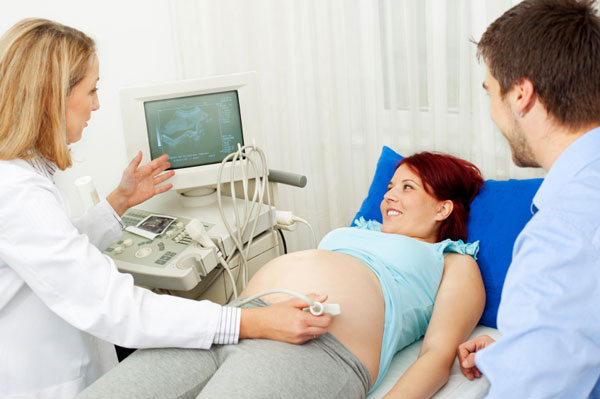
Ultrasound and Autism

 Written by: Dr. Michael Merzenich
    
A former UCSF medical student, Carolyn Rees, now a doc in rural Idaho, wrote me a very informative letter — and raised several interesting questions — that are definitely worth a little discussion here.
Dr. Rees asked: Is there any evidence that ultrasound examination can affect brain development?

In fact, that evidence is mixed. Over the past 10-15 years, a number of smaller studies conducted principally in North America recorded cognitive and language impairments in children that were attributable to ultrasound examination — while results in several other subsequent large studies conducted principally in the public health systems in Europe were negative.

On the other hand:
1) Elegant studies conducted in monkeys by an eminent brain scientist at Yale (Dr. Pasko Rakic) have shown that ultrasound exams result in an alteration of the normal, detailed organization of the cerebral cortex that specifically applies for neurons that are migrating into the cortex at the time of the exposure. In other words, across roughly the 2nd trimester of pregnancy when cortical layers are being formed, you can actually determine the time of administration of the ultrasound exam post hoc, by looking at the location of abnormally oriented neurons in the layers of the cerebral cortex.
Does this have a functional consequence for the brain?! No one really knows.

2) Seven or eight years ago, Sandy Blakeslee, a science reporter for the New York Times (and a long-time friend), sent me the reference to a study from a Mayo research team in Phoenix in which scientists had measured the levels of audible sound stimulation that bombards the fetus during an ultrasound exam. It turns out that in one part of an ultrasound examination the very high (“ultra”) frequency sound is “modulated” at low frequencies to generate the sharpest images. That modulation creates an audible sound that is very intense (greater than 100 decibels). It is not surprising that the third-trimester fetus — whose hearing is intact across this period — writhes in the womb when the beam moves onto the head! For the ultrasound machines investigated by the Mayo scientists, the highest sound energies transmitted to the fetus were centered in the range of frequencies that are most crucial for resolving the sounds of aural speech. You might note that any untoward consequence of an audible sound-induced exam would be limited to the third trimester, because the baby has no effective hearing until roughly the beginning of the 7th month of gestation.

I talked a doctoral student on a rotation project in my laboratory into studying the neurological impacts of simulating 1) a single exam in the third trimester; or 2) five exams — in both cases using the rat infant as our model. Simulation was relatively simple in the rat because, relative to the human baby, rats are born at a young age; their hearing is not intact until they are 11-12 days old. Sound stimuli designed to mimic sounds received by human fetuses in ultrasound exams were created with the help and advice of the Mayo Research Institute scientists. We played them to our rat babies shortly after they acquired hearing, exposing them for the measured times that would apply in a real exam(s).

Even these brief exposures to these loud sounds degraded the representation of sound frequencies in both rat groups. That degradation was especially striking in the multiply-exposed rats. Strong negative consequences of this exposure endured into adulthood. We were surprised by the magnitudes of these recorded effects. A single exposure was limited to 2 minutes (simulating the time the beam might be directed toward the human fetus’ head); multiple exposures involved only 10 minutes of total, intense-sound exposure, delivered in 5 time-separated epochs.

Five points to emphasize:
1) Given this outcome, ultrasound exposure may plausibly add to the risk of onset of a more devastating condition (e.g., autism) in an already-genetically-vulnerable fetus. It should be put on that short list of possible (unfortunately, STILL UNPROVEN) contributors to the increased rates of incidence of autism. As with the exposure to chemical poisons (non-coplanar PCBs; PBDEs), the use of ultrasound has increased dramatically over the past two decades, and third-trimester exams have become routine.

2) Ultrasound examinations have been shown to have little or no medical value in the third trimester. I was surprised to learn from the medical literature that they do not make any key contribution to medical decisions or significantly change medical outcomes over this period. It can be argued that they have considerable sociological value strengthening doctor-patient and parent-fetus relationships — which are undeniably important. But beyond that, excepting a tiny percentages of cases, they are an unnecessary aspect of prenatal care — unless you want a picture of fetal-Sissie or fetal-Junior hanging above the mantlepiece!

3) Boutique photography shops with ultrasound machines that can provide you with a crystal-clear picture of little Sally-fetus or Jerry, Jr-fetus would seem to this scientist to be more than a little bit over the top.

4) Guess who is in line for MULTIPLE ultrasonic exams? Those kids already at greatest risk for cognitive problems are high on this list. Alas.

5) Different ultrasound manufacturers use different strategies for modulating the ultrasound stimulation to generate the most-resolved images, and some generate more intensely audible sounds than others. I’ve had trouble running down these specs before writing this entry. I’ll contact the scientists in Phoenix and provide a table in a future entry.


Article retrieved from: http://merzenich.positscience.com/?p=52#more-52

Image retrieved from: http://cdn.sheknows.com/articles/2012/08/sarah_parenting/ultrasound.jpg

Tuesday, October 16, 2012

Autism Risk Linked To Space Between First And Second Pregnancy


Written by Christian Nordqvist

A second child is three times more likely to be diagnosed with autism if they are born within twelve months of their siblings, compared to those born three or more years apart, researchers from the Lazarsfeld Center for the Social Sciences at Columbia University, New York revealed in the journal Pediatrics. The investigators gathered information on 660,000 second children born in California between 1992 to 2002.

Sociologist Peter Bearman, and team set out to find out whether there might be a link between the length of time between the birth of one child and his/her brother or sister and autism risk. They found that in cases where pregnancies were less than 12 months apart, the risk of autism in the second-born child was three times as high, compared to pregnancies spaced at least three years apart.

They also found that pregnancy spaced between 1 to 2 years apart had double the risk of autism in the second child compared to those at least 3 years apart.

The researchers examined data from the California Department of Developmental Services to determine how many children had been diagnosed with autism.

Even when other factors that might influence autism risk were taken into account, such as the age of the mother or father, low birth weight, or being born preterm, "we see this really profound association". The authors added that they could not clearly determine what the causes might be.

Peter Bearman said:

"When you see something so robust and so stable, it provides an important clue as to what we should be looking at next."


They suggest that possibly a mother who soon becomes pregnant again may not have fully replenished crucial nutrients. Perhaps parents are better at identifying autism-like traits, such as delayed milestones, after their second child is born.

The authors explained that their study did not include autism in first-born children.

Previous studies had found a link between higher autism risk in a second child if the first child had an autism spectrum disorder, including Asperger's syndrome.

The authors concluded in the journal's abstract:

"These results suggest that children born after shorter intervals between pregnancies are at increased risk of developing autism; the highest risk was associated with pregnancies spaced <1 apart.="apart." br="br" year="year">

According to data from the CDC (Centers for Disease Control and Prevention), the incidence of autism in the USA has risen tenfold during the last four decades, to approximately 1 in every 110 children in 2006.

Although increased awareness and better diagnosing techniques account for some of the increase, Bearman believes that other factors have also had an impact.

A comprehensive study published in the BMJ (British Medical Journal) last week clearly showed that a 1998 report by Dr. Andrew Wakefield linking childhood vaccines to autism risk was "an elaborate fraud". BMJ editor in Chief, Dr. Fiona Godlee said "The MMR scare was based not on bad science but on a deliberate fraud.. (such) clear evidence of falsification of data should now close the door on this damaging vaccine scare." Link to article about the report

"Closely Spaced Pregnancies Are Associated With Increased Odds of Autism in California Sibling Births"
Keely Cheslack-Postava, PhD, MSPH, Kayuet Liu, DPhil, Peter S. Bearman, PhD
PEDIATRICS January 10, 2012 (doi:10.1542/peds.2010-2371)

Retrieved from: http://www.medicalnewstoday.com/articles/213245.php

Monday, April 2, 2012

CDC: U.S. kids with autism up 78% in past decade


By Miriam Falco, CNN
March 29, 2012

(CNN) -- The number of children with autism in the United States continues to rise, according to a new report released Thursday by the Centers for Disease Control and Prevention. The latest data estimate that 1 in 88 American children has some form of autism spectrum disorder. That's a 78% increase compared to a decade ago, according to the report.
Since 2000, the CDC has based its autism estimates on surveillance reports from its Autism and Developmental Disabilities Monitoring Network. Every two years, researchers count how many 8-year-olds have autism in about a dozen communities across the nation. (The number of sites ranges from six to 14 over the years, depending on the available funding in a given year.)
In 2000 and 2002, the autism estimate was about 1 in 150 children. Two years later 1 in 125 8-year-olds had autism. In 2006, the number was 1 in 110, and the newest data -- from 2008 -- suggests 1 in 88 children have autism.


Boys with autism continue to outnumber girls 5-to-1, according to the CDC report. It estimates that 1 in 54 boys in the United States have autism.
Mark Roithmayr, president of the advocacy group Autism Speaks, says more children are being diagnosed with autism because of "better diagnosis, broader diagnosis, better awareness, and roughly 50% of 'We don't know.'"
He said the numbers show there is an epidemic of autism in the United States.
Early recognition of signs of autism -- a neurodevelopment disorder that leads to impaired language, communication and social skills -- is vital because it can lead to early intervention, says Dr. Gary Goldstein, an autism specialist and president of the Kennedy Krieger Institute in Baltimore.
"There have been studies -- double-blinded studies -- to show that behavioral early intervention changes the outcome for children," Goldstein says.
Roy Sanders and Charlie Bailey sensed something was wrong with their son Frankie Sanders when he was 9 months old.
"Our pediatrician at the time who was a friend of ours tried to tell us that we were being too cautious, we were being too anxious," Sanders says.
Frankie's pediatrician thought his parents were seeing developmental delays that weren't really there. But Frankie wasn't talking, Sanders says. "He didn't have speech; he didn't have any communication skills at all. He didn't point. He would flap quite a bit. He would stare at fans; he would stare at lights; he would become frantic if he didn't have a Thomas the [Tank] Engine because he was obsessed with Thomas the [Tank] Engine."

His parents kept pushing, and Frankie, now a ninth-grade nose guard and defensive guard for the Decatur Bulldogs football team in Decatur, Georgia, was diagnosed with autism when he was 15 months old.


"Early detection is associated with better outcomes," says CDC Director Dr. Thomas Frieden. "The earlier kids are detected, the earlier they could get services, and the less impairment they'll have on their learning and in their lives on a long-term basis is our best understanding."
The CDC is working with the Academy of American Pediatrics to recommend that children get screened for autism at ages 18 months and 24 months, Frieden says.


However, according to the CDC report, most children were diagnosed between ages 4 and 5, when a child's brain is already more developed and harder to change.
"Doctors are getting better at diagnosing autism; communities are getting much better at [providing] services to children with autism, and CDC scientists are getting much better at tracking which kids in the communities we're studying have autism," Frieden says.
"How much of that increase is a result of better tracking and how much of it is a result of an actual increase, we still don't know. We know more about autism today than we have ever known," he says, "but there is still so much we don't know and wish that we knew."


Image retrieved from:
http://www.autismawarenessuk.com/acatalog/8d.jpg
http://trialx.com/curetalk/wp-content/blogs.dir/7/files/2011/05/diseases/Autistic_Disorder-2.png

Article retrieved from:

Understanding Why Autistic People May Reject Social Touch


By Maia Szalavitz  March 19, 2012


One of the hardest challenges for families facing autism is the problem of touch. Often, autistic children resist hugging and other types of physical contact, causing distress all around.

Now, a new study offers insight into why some people shrug off physical touches and how families affected by autism may learn to share hugs without overwhelming an autistic child’s senses.

Yale neuroscientists recruited 19 young adults and imaged their brain activity as a researcher lightly brushed them on the forearm with a soft watercolor paintbrush. In some cases, the brushing was quick, and in others slow: prior studies have shown that most people like slow brushing and perceive it as affectionate contact, while the faster version is felt as less pleasant and more tickle-like.

None of the participants in the current study had autism, but the researchers evaluated them for autistic traits — things like a preference for sameness, order and systems, rather than social interaction. They found that participants with the highest levels of autistic traits had a lower response in key social brain regions — the superior temporal sulcus (STS) and orbitofrontal cortex (OFC) — to the slow brushing.


According to Martha Kaiser, senior author of the study and associate director of the Child Neuroscience Laboratory at the Yale Child Study Center, the STS is a critical hub of the social brain. “This region is important for perceiving the people around us, for visual social stimuli and for perceiving social versus nonsocial sounds,” she says.

The current findings suggest that the region is also involved in processing social touch and that its response is linked to the individual’s social ability, she says.

The OFC, in contrast, helps the brain evaluate experiences — whether something is likely to be good or bad and if it involves pleasure or pain. “The brains of people high in autistic traits aren’t coding touch as socially relevant, that’s one interpretation,” says Kaiser of her findings. “The OFC is very important for coding reward so maybe they’re feeling the touch but in these individuals, their brains don’t code that type of touch as being as rewarding as in individuals with fewer autistic traits.”

If that’s the case, finding ways to make social experience — including touch — more rewarding might be one way to help autistic people connect better with others.

Indeed, Temple Grandin, the well-known author and animal scientist with autism, and the subject of a 2010 HBO biopic, famously built herself a “hug machine” to self-apply deep pressure to her body. She craved the feeling of being securely held, but also needed to be able to control the sensation herself, often finding touch from others too intense.


A better understanding how social touch is processed differently by autistic and nonautistic people may lead to the development of strategies for family members and loved ones to touch people with autism in a way that soothes and fosters feelings of connection, rather than overwhelms.

Kaiser and her colleagues are already studying people with autistic spectrum disorders to explore these questions, particularly in children. Making social touch more rewarding early in development might further help autistic children learn social skills, since learning is heavily dependent on pleasure. And because later development relies on early experience, such a strategy could improve their overall development. “I think there are a lot of potential treatment applications for this work,” Kaiser says.

The study was published in Social Cognitive and Affective Neuroscience.


Image retrieved from: http://www.oregonchildsupport.gov/images/photos/sibling_hug_600x399.jpg

Article retrieved from: http://healthland.time.com/2012/03/19/understanding-why-autistic-people-may-reject-social-touch/

Monday, February 13, 2012

Autistic Girl Expresses Unimaginable Intelligence

A sharing from an autistic girl: "I am autistic, but that is not who i am. Take time to know me, before you judge me."


Tuesday, September 6, 2011

How To Make a Visit to the Dentist Less Scary for Autistics, Aspergians, Sensitives and Any Anxious Person Advice for sensitive patients, dentists, and medical office designers

Published on August 25, 2011 by Rudy Simone in Aspergirls

Sensory issues are part and parcel of the autistic and aspergian experience, but we're not the only sensitives in the world ("The Princess and the Pea" was written in 1835, folks!) Today I had to go to the dentist for an exam and cleaning and was inspired to write this blog. I've been meaning to do it for ages; since a visit to a dentist in upstate NY three years ago. I asked him to hand me a toy that he had for kids so I could squeeze it to help me deal with my anxiety. I thanked him and explained, kind of apologetically, that I had Aspergers and he replied, "Don't worry, I'm used to dealing with all sorts of crazy folks." Lesson Number One, my fellow Aspergians: Never apologize for having AS. Be polite, yes, but apologetic, Never!

This article is aimed at the patients-but it is also aimed at the professionals who run/own these practices.

To the auties, aspies, sensitives and anxious folks: you will be poked, prodded, blinded by the light, scraped, suctioned and maybe even subjected to some of the worst music ever heard by human ears. Take heart, there are things you can do to ease the pain to the point of being almost painless.

    Don't forget your squidgy toys...if you don't bring them, the dentist might not have them, and if you are over the age of twelve you might be embarrassed to ask if they have any of these things in their cupboard.

    The lead bib that that they throw over you during x-ray time is similar to the weighted vests and shoulder bibs they make specifically for autistics. Ask to keep yours on after the x-ray is over and before the worst part begins--the cleaning. The heavy bib very comforting, like Temple Grandin's squeeze machine. You could even ask for it at the beginning, during the examination itself, when the dentist uses that little tiny metal claw that looks like it belongs on the arm of a Tinkerbell-sized Captain Hook.

    Ask if you can wear sunglasses. It'll keep you from having to completely close your eyes which might cause you to fall asleep and make dentist angry (we wouldn't want that). They'll also keep you from having to look dentist in the eye. For the first several dental visits of my life, I made eye contact with my dentist the whole time, causing him I'm sure, to think that I was either a nutter or a giant flirt. The office might have blinds or busy wallpaper patterns or bothersome lights, so the sunglasses will help you with that as well.

    You probably cannot wear an Ipod since you need to hear the dentist's directions (turn your head, open wide, etc.) but perhaps, you could ask if they mind if you wear either noise canceling headphones or perhaps just keep one earbud in your ear so you can have control of the tunes.

    Lastly, do not be afraid to ask for numbing cream for the cleaning, even for the exam. The basic stuff won't cost extra and really does help if you have a low pain threshold or are afraid of possible pain and are on hyper-alert. The cream will wear off by the time the exam is over.


Okay, the rest is for you dentists. You think you have created the coolest, most state-of-the-art office for your patients, but you are probably not thoroughly understanding the needs of your autistic, sensitive, or high anxiety patients.

Visually: high contrast wallpaper, e.g. black and white, might contain some groovy pattern to you, but might be so disorienting to an aspie that they get dizzy and even throw up, especially if they've had any sort of laughing gas or muscle relaxer. Even slatted blinds can drive us nuts. I got up out of my chair today at the dentist, ostensibly to look at the view (which was gorgeous) but also to raise the blinds--the lowered, slatted position created a dark and light, almost flickering pattern which can be painful to the autistic brain. And God forbid, Dr. Dentist, if you must use fluorescents, make sure they are the full-spectrum kind which contain the same colors as natural light and NOT flickering.

Doctor, do let the patient keep the bib and offer it at the beginning. It's a virtual hug that makes us feel more secure.

Tactile things, such as a squidgy toy, furry pillow (since grown ups won't want to be seen cuddling Tigger) are also good stress relievers.

Ask the patient if they would prefer to wear goggles in the beginning, not just when the polishing starts and the pink stuff starts to fly. I have been hit in the eye by my own tartar during the manual cleaning and believe me, I found it pretty gross. Get and offer tinted goggles. We don't like extended eye contact (if any) so if we keep our eyes closed, don't be offended.

And please, don't ask us questions while we are sitting there like horses at auction having our teeth and jaws examined. We respect and need what you do, but there's nothing more embarrassing than trying to answer questions while drooling and slurring.

Think about having a choice of music. While you have to be happy too, asking us if we prefer jazz, pop or classical give us some control even though you've chosen the Cds or stations.

Aspies talk to each other, in their communities and online and if you are known for having a sensory-friendly environment, you will have an edge over your competitors. And perhaps there will be more Aspies with shiny white teeth walking around, smiling a little more.

Thursday, August 4, 2011

New Brain Imaging Research Reveals Why Autistic Individuals Confuse Pronouns

ScienceDaily (Aug. 1, 2011) — Autism is a mysterious developmental disease because it often leaves complex abilities intact while impairing seemingly elementary ones. For example, it is well documented that autistic children often have difficulty correctly using pronouns, sometimes referring to themselves as "you" instead of "I."

A new brain imaging study published in the journal Brain by scientists at Carnegie Mellon University provides an explanation as to why autistic individuals' use of the wrong pronoun is more than simply a word choice problem. Marcel Just, Akiki Mizuno and their collaborators at CMU's Center for Cognitive Brain Imaging (CCBI) found that errors in choosing a self-referring pronoun reflect a disordered neural representation of the self, a function processed by at least two brain areas -- one frontal and one posterior.

"The psychology of self -- the thought of one's own identity -- is especially important in social interaction, a facet of behavior that is usually disrupted in autism," said Just, a leading cognitive neuroscientist and the D.O. Hebb Professor of Psychology at CMU who directs the CCBI. "Most children don't need to receive any instruction in which pronoun to use. It just comes naturally, unless a child has autism."

For the study, the research team used functional magnetic resonance imaging (fMRI) to compare the brain activation pattern and the synchronization of activation across brain areas in young adults with high-functioning autism with control participants during a language task that required rapid pronoun comprehension.

The results revealed a significantly diminished synchronization in autism between a frontal area (the right anterior insula) and a posterior area (precuneus) during pronoun use in the autism group. The participants with autism also were slower and less accurate in their behavioral processing of the pronouns. In particular, the synchronization was lower in autistic participants' brains between the right anterior insula and precuneus when answering a question that contained the pronoun "you," querying something about the participant's view.

"Shifting from one pronoun to another, depending on who the speaker is, constitutes a challenge not just for children with autism but also for adults with high-functioning autism, particularly when referring to one's self," Just said. "The functional collaboration of two brain areas may play a critical role for perspective shifting by supporting an attention shift between oneself and others.

"Pronoun reversals also characterize an atypical understanding of the social world in autism. The ability to flexibly shift viewpoints is vital to social communication, so the autistic impairment affects not just language but social communication," Just added.

Autism was documented for the first time in 1943, in a landmark article by Dr. Leo Kanner of Johns Hopkins University. In that first article, Kanner noted the puzzling misuse of pronouns by children with the disorder. "When he [the child] wanted his mother to pull his shoe off, he said: 'Pull off your shoe.'" Kanner added that, "Personal pronouns are repeated [by the child with autism] just as heard, with no change to suit the altered situation." Because his mother referred to him as "you," so did the child.

Just's previous brain imaging research in autism has shown that other facets of thinking that are disrupted in autism, such as social difficulties and language impairments, also may be attributed to a reduced communication bandwidth between the frontal and posterior parts of the brain. He refers to this as the "Theory of Frontal-Posterior Underconnectivity." In each of these types of thinking, the processing is done by a set of different brain regions that includes key frontal regions, and the lower frontal-posterior bandwidth limits how well the frontal regions can contribute to the brain's networked computations.

The brain's communication network is its white matter, the 45 percent of the brain that consists of myelinated (insulated) axons that carry information between brain regions. An emerging view is that the white matter is compromised in autism, specifically in the frontal-posterior tracts. In a groundbreaking study published in 2009, Just and his colleagues showed for the first time that compromised white matter in children with reading difficulties could be repaired with extensive behavioral therapy. Their imaging study showed that the brain locations that had been abnormal prior to the remedial training improved to normal levels after the training, and the reading performance in individual children improved by an amount that corresponded to the amount of white matter change. Ongoing research at the CCBI is assessing the white matter in detail, measuring its integrity and topology, trying to pinpoint the difference in the autistic brain's networks.

"This new understanding of what causes pronoun confusion in autism helps make sense of the larger problems of autism as well as the idiosyncrasies," Just said. "Moreover, it points to new types of therapies that may help rehab the white matter in autism."

In addition to Just and Mizuno, a psychology doctoral candidate and first author of the study, the research team included CMU's Yanni Liu, a postdoctoral associate, and Timothy A. Keller, a senior research psychologist; Duquesne University's Diane L. Williams, an assistant professor of speech-language pathology; and the University of Pittsburgh School of Medicine's Nancy J. Minshew, a professor of psychiatry and neurology.

This research was funded by the National Institute of Child Health and Human Development and the Autism Speaks Foundation.

Article retrieved from: http://www.sciencedaily.com/releases/2011/08/110801122956.htm

Image retrieved from: https://blogger.googleusercontent.com/img/b/R29vZ2xl/AVvXsEhdh4KoOGqsQ7TErpjiGoLhjPPNQS2yfyswFz7Oc0HmghNcNJf89gC1Ad-MjUHD1NCqCSQE72RyTvLtIfvvKbkMQo06L19dFV7TZ30DRcx5PHS849RyGwvMCHZIo5nRLeERpsbZewwEGmE/s1600/baby-in-mirror-so-we-meet-again.jpg

Saturday, July 23, 2011

Study: Environmental Factors May Be Just as Important as Genes in Autism


By ALICE PARK Tuesday, July 5, 2011
Autism is undeniably influenced by genes, but a new study suggests that environmental factors may also contribute significantly — more than researchers previously thought — to the developmental disorder. In fact, environmental factors may play at least as big a role as genes in causing autism.
Dr. Joachim Hallmayer, a psychiatrist at the Stanford University School of Medicine, and his team report online in the Archives of General Psychiatry that shared environmental influences may account for as much as 55% of autism risk, while less than 40% can be attributed to genes.
The study modeled risk, but did not specify which environmental factors were at play. But other research has implicated increasing maternal and paternal age, low birth weight, multiple pregnancies and any medications or infections to which an expectant mom is exposed during pregnancy.
Autism, which affects at least 1% of children, is a complex disorder, so it's no surprise that both environmental and genetic factors contribute to its development. But in recent years, experts have focused intensively on the genetic components of autism; with the availability of more sophisticated tools to analyze genetic changes and development of disease, researchers have identified important clues about autism's roots in DNA.
But the rise in autism spectrum disorders has occurred too quickly to be explained fully by genes. And scientists know that genetic changes don't occur in a vacuum. Such aberrations, combined with non-genetic factors, may offer a fuller picture of what causes the disorder.
To determine how much either factor may contribute to autism, Hallmayer's group analyzed identical and fraternal twins, in which either one or both were diagnosed with autism or an autism spectrum disorder. Identical twins share identical genetic makeup, while fraternal twins are only as genetically similar as any two siblings. So by comparing the prevalence of autism between the two groups, the scientists were able to determine with relative assurance how much genes and shared environment contributed to the twins' conditions.
The study found that the likelihood of both twins being affected by autism was higher among identical than fraternal twins. That suggests that genetics plays a key role in the disorder. But importantly, the chance of both twins being affected by autism was not low among fraternal twins, which is counter to what would be expected if genetics were the dominant factor.
The study also found that autism rates among both identical and fraternal twins were higher than in the general population. That further suggests that environmental factors, probably shared by the twins as early as in the womb, contribute significantly to causing the disorder. "The fact that both groups have elevated rates suggests that something is making the two groups of twins similar to each other," says Neil Risch, director of the Institute for Human Genetics at University of California San Francisco and senior author on the paper. "Whether it occurs in utero, during childbirth or soon thereafter, we can't differentiate. But it suggests that something environmental is causing the twins to be alike."
Risch notes that the results do not discount genetic factors by any means. "It's not either-or in terms of genetics or environment," he says. "We're not saying autism isn't genetic, because the huge majority of twins don't have autism. Obviously something is priming the risk, and it looks like that may be a genetic predisposition. So a genetic base and environmental factors together may explain autism better."
The risk in twins with a genetic vulnerability may be triggered by being a multiple, for instance; something about the more crowded uterine environment may contribute to a greater chance of developing the disorder, Risch notes.
The good news is that as researchers better understand the environmental factors that are responsible for autism, the more some of these factors may be modified to help lower the risk of the disorder. A fuller picture of the spectrum of both genetic and non-genetic contributors to autism may also help lead to more effective ways to treat it.

Article retrieved from: http://healthland.time.com/2011/07/05/study-environmental-factors-may-be-just-as-important-as-genes-in-autism/#ixzz1SuiCe29f
Image retrieved from: http://www.medclient.com/wp-content/uploads/2011/04/Nature_vs_Nurture2.jpg

Twitter Delicious Facebook Digg Stumbleupon Favorites More